

I've had thre e prospect calls recently that opened the same way. Someone ran an AI visibility audit, found a competitor cited instead of them, and wanted it fixed by Friday. Here's what I tell them: getting cited by ChatGPT or a Google AI Overview is an introduction, not a decision. The buyer still forms an impression, checks whether the business holds up, and decides what to do next, often without ever clicking through. Citation covers the first step in that process. The rest, whether the site gives someone a clear reason to act, still has to happen on the business's own website. Key Takeaways: Getting cited in an AI answer is an introduction, not a decision. The buyer still checks whether the business holds up. Zero-click search now accounts for roughly 68% of U.S. searches, with AI Overviews driving a growing share of that shift. Being crawled and being named are not the same thing. Most AI visibility audits check the first and miss the second. The most reliable read on AI-driven traffic right now is still a direct answer from a client, not a dashboard. Fixing AI visibility without fixing the site itself gets a business mentioned more often, not chosen more often. Zero-click search means the search engine or the AI tool answers the question right there, so nobody clicks through to a website. AI Overviews are a big part of that now: they show up on over a fifth of Google searches, and click-through drops nearly 60% when one appears. Getting cited in that answer can feel like a win, like the AI vouched for the business. It's closer to landing on a list a buyer is still comparing.
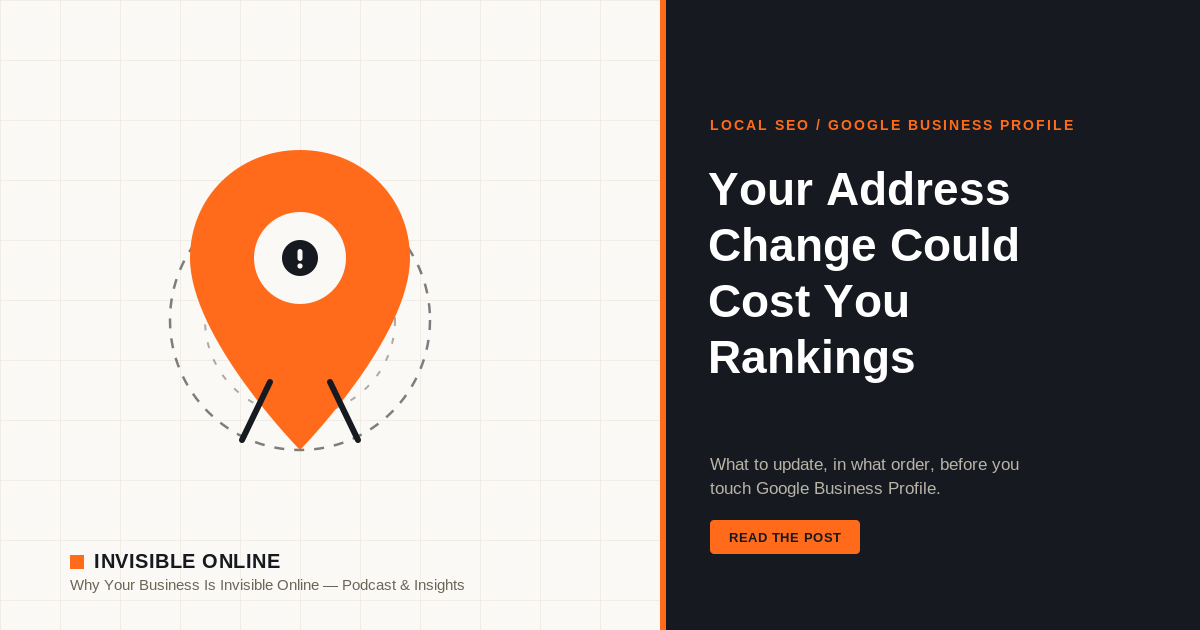
Your Address Change Could Cost You Rankings
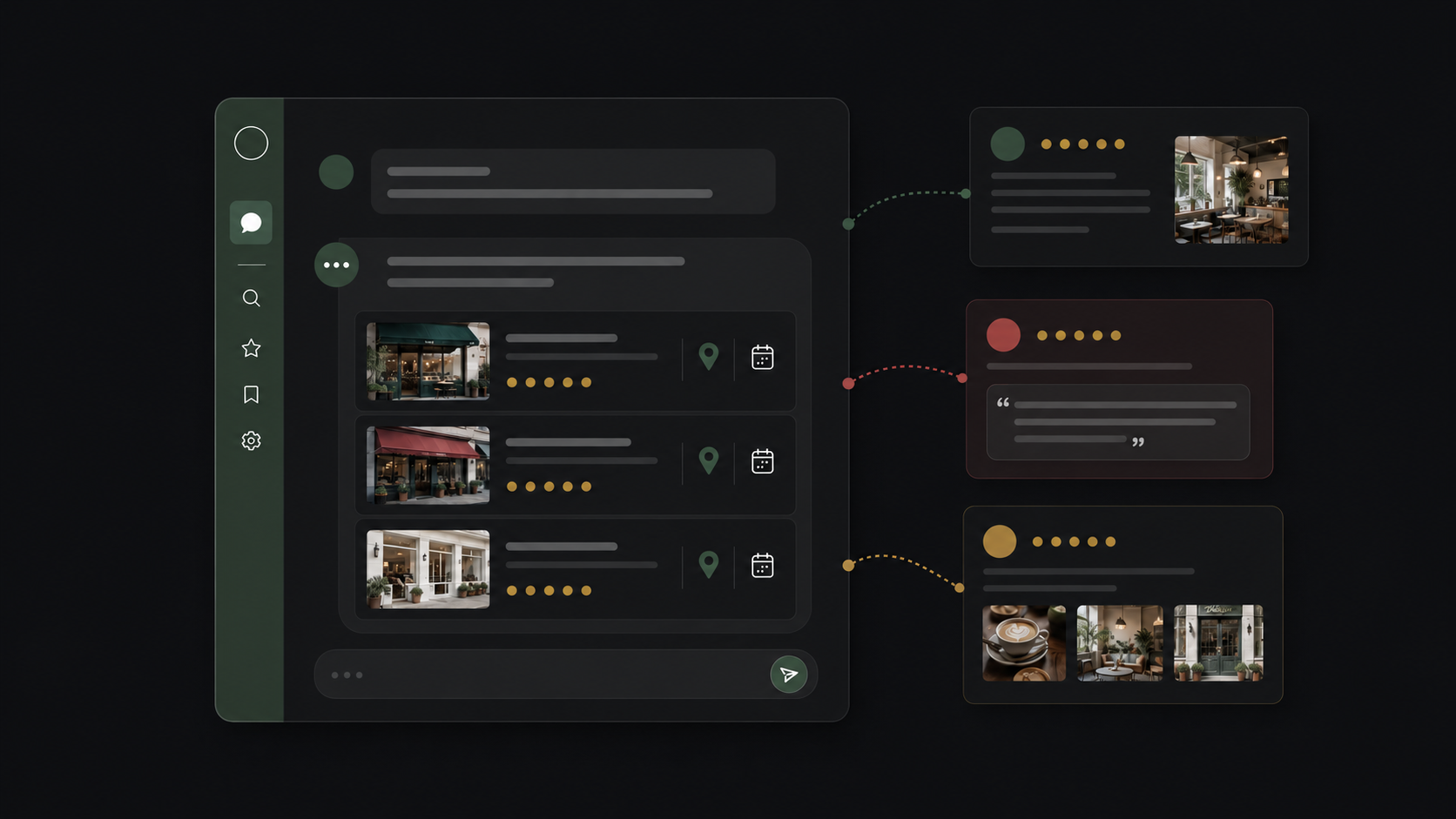
The impact the ChatGPT and Yelp Deal will have on Local SEO and what business owners should do

Should you let AI build your website?

How Buyer Personas Can Transform Your Business

The Art of Nurturing: How to Build Lasting Relationships with Your Customers

Why Your 'About Us' Page Might Be the Secret to Better SEO

Discover how AI is transforming search and learn practical tips to keep your business visible. From optimizing for voice search to leveraging structured data, this guide will help you future-proof your SEO strategy. Stay ahead of the curve and ensure your business remains visible as search technology evolves.

Struggling with online marketing? Discover top rookie mistakes holding back your growth and actionable solutions to boost ROI, conversions, and engagement.

Cold calling not delivering? Discover proven alternatives like LinkedIn outreach, content marketing, and retargeting ads to drive qualified leads and boost conversions.